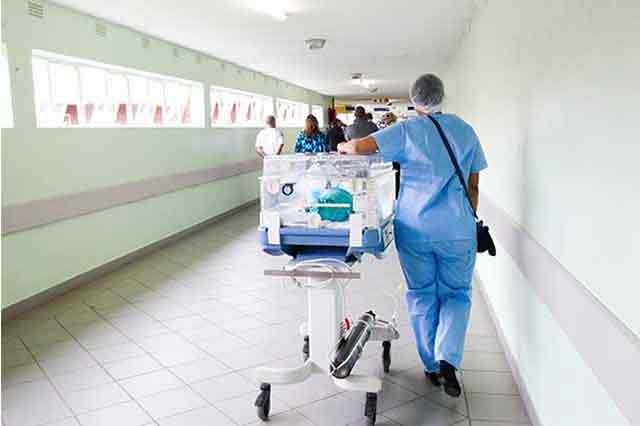
In the ever-evolving landscape of healthcare, medical equipment plays a pivotal role in diagnosing, treating, and managing various medical conditions. The continuous advancements in technology have not only broadened the scope of application for medical equipment but have also opened new avenues for transformative changes. In this article, we will explore the diverse applications and management systems of medical equipment, delving into the exciting possibilities of technological transformations that are reshaping the future of healthcare.
The Scope of Application and Management System of Medical Equipment
1.1. Expanding Horizons: From Traditional to Cutting-edge
Medical equipment encompasses a wide array of devices, ranging from the traditional stethoscope to state-of-the-art imaging machines. The scope of application extends across diagnostic, therapeutic, and monitoring tools, making these devices indispensable in modern healthcare.
Let's delve into a short story to illustrate the impact of medical equipment in a real-world scenario:
Sarah's Journey: A Tale of Precision and Hope
Sarah, a 35-year-old mother, was diagnosed with a rare cardiac condition that required intricate surgery. Thanks to advanced imaging technologies like 3D echocardiography, her medical team could visualize the anomaly with unprecedented clarity, enabling a successful surgery and ensuring a healthier future for Sarah and her family.
1.2. The Backbone: Management Systems Ensuring Efficiency
Behind the scenes, efficient management systems are crucial for the seamless integration of medical equipment into healthcare workflows. From inventory tracking to maintenance schedules, these systems ensure that medical facilities can harness the full potential of their equipment.
Consider the following scenario:
David's Dilemma: Navigating the Maze of Medical Equipment Management
David, a hospital administrator, faced challenges in coordinating equipment maintenance schedules. Implementing a robust Computerized Maintenance Management System (CMMS) not only streamlined the process but also reduced downtime, ensuring that critical equipment was always in optimal condition.
Feasibility of Technological Transformation of Medical Equipment
2.1. Embracing Innovation: The Technological Leap
The feasibility of technological transformation in medical equipment is a topic of increasing interest. Innovations such as artificial intelligence (AI), machine learning, and the Internet of Things (IoT) are paving the way for smarter, more efficient devices.
Let's explore a scenario where technology transforms patient monitoring:
Emma's Guardian: Wearable Technology Redefining Healthcare
Emma, an elderly patient with chronic conditions, benefited from wearable devices that continuously monitored her vital signs. The integration of AI algorithms not only provided real-time insights to her healthcare team but also alerted them to potential issues before they escalated, ensuring proactive and personalized care.
2.2. Overcoming Challenges: Balancing Innovation and Practicality
While the potential for technological transformation is vast, challenges such as cost, interoperability, and data security need careful consideration. Striking a balance between innovation and practicality is essential to ensure the successful integration of cutting-edge technologies into healthcare settings.
Consider the following narrative:
James's Dilemma: Navigating the Integration Challenge
James, a hospital CTO, faced the challenge of integrating diverse technologies within the healthcare ecosystem. By fostering collaboration between IT specialists and healthcare professionals, James successfully implemented a comprehensive system that not only ensured data security but also facilitated seamless communication between different devices.
Medical equipment is at the forefront of the healthcare revolution, continually expanding its scope and embracing technological transformations. From improving diagnostic precision to revolutionizing patient care, these innovations are shaping a future where healthcare is not only more effective but also more personalized. As we navigate this landscape of possibilities, the stories of individuals like Sarah, David, and Emma remind us that behind every advancement in medical equipment lies a narrative of hope, resilience, and the pursuit of a healthier world.
The field of medical equipment has undergone a remarkable evolution, transforming healthcare delivery and patient outcomes. From traditional tools to cutting-edge technologies, the scope of application has expanded significantly, providing healthcare professionals with powerful tools to diagnose, treat, and monitor various medical conditions.
In the early days of healthcare, medical equipment was limited to basic instruments like stethoscopes and thermometers. However, as technology advanced, so did the capabilities of medical devices. Today, the landscape is characterized by a diverse array of tools, ranging from diagnostic imaging machines to wearable devices equipped with advanced sensors.
The management of medical equipment has become a critical aspect of healthcare infrastructure. Efficient systems, such as Computerized Maintenance Management Systems (CMMS), have emerged as the backbone, ensuring that equipment is well-maintained, downtime is minimized, and healthcare workflows remain seamless. Hospital administrators, like David in our narrative, face challenges that these systems help overcome, enhancing the overall efficiency of medical facilities.
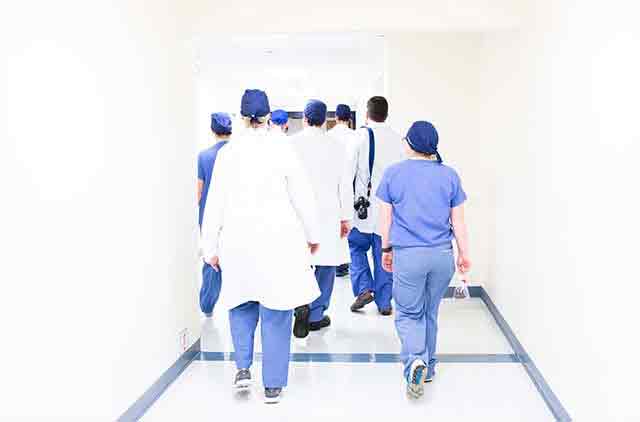
The integration of technology has played a pivotal role in reshaping the feasibility and functionality of medical equipment. Artificial intelligence, machine learning, and the Internet of Things are at the forefront of this transformation. These technologies have not only improved the precision of diagnostics, as seen in Sarah's case with 3D echocardiography, but have also paved the way for innovative solutions like wearable devices for continuous patient monitoring, as illustrated by Emma's story.
However, with great innovation comes great responsibility. Challenges such as cost, interoperability, and data security have become significant considerations in the feasibility of technological transformations. Striking a balance between cutting-edge innovation and practicality is essential to ensure that these technologies are seamlessly integrated into healthcare settings.
The narratives of individuals like James, who successfully navigated the integration challenge, emphasize the importance of collaboration between IT specialists and healthcare professionals. This collaborative approach ensures that medical equipment not only meets the highest technological standards but also addresses the unique needs and challenges of the healthcare ecosystem.
In conclusion, the development of medical equipment has been a journey marked by innovation, resilience, and a commitment to improving patient care. As we stand at the intersection of technology and healthcare, the stories of individuals like Sarah, David, and Emma remind us that the future holds exciting possibilities for medical equipment, promising a healthcare landscape that is not only more advanced but also more compassionate and patient-centric.