In the ever-advancing realm of technology, the trajectory is undeniably shifting towards high-quality equipment. This article delves into the reasons behind this paradigm shift, exploring the nuances of what high quality means for technological equipment. Anchored by a compelling case study, we unravel the intricacies of the pursuit of excellence in technology.
Why the Shift Towards High Quality?
1. Increasing Consumer Expectations:
As consumers become more discerning, the demand for high-quality technology equipment surges. In an era where technology is deeply integrated into daily life, users expect their devices to deliver not just functionality but a seamless and superior experience. High-quality equipment becomes a benchmark for meeting and exceeding these heightened expectations.
2. Rapid Technological Advancements:
The swift pace of technological advancements necessitates a focus on high quality. As devices become more complex and feature-rich, ensuring that each component meets rigorous standards becomes imperative. High quality becomes synonymous with reliability, longevity, and the ability to harness the full potential of cutting-edge technologies.
3. Competitive Edge in the Market:
In a saturated market, where innovation is constant, high-quality technology equipment serves as a potent differentiator. Companies vying for market share recognize that offering products with superior quality sets them apart. It becomes a strategic imperative to not just keep up with competitors but to lead the pack by delivering a level of excellence that captivates consumers.
4. Impact on Brand Reputation:
The reputation of a brand is intricately tied to the quality of its products. Consistent delivery of high-quality technology equipment establishes trust and credibility. Positive user experiences create a ripple effect, fostering brand loyalty and advocacy. Conversely, a lapse in quality can tarnish a brand's reputation irreversibly.
Defining High Quality in Technological Equipment:
1. Reliability and Durability:
High quality in technological equipment is synonymous with reliability and durability. Devices that withstand the test of time, resist wear and tear, and perform consistently over the long haul are deemed of superior quality. This extends beyond the initial usage phase to ensure a sustained and reliable user experience.
2. Precision in Design and Manufacturing:
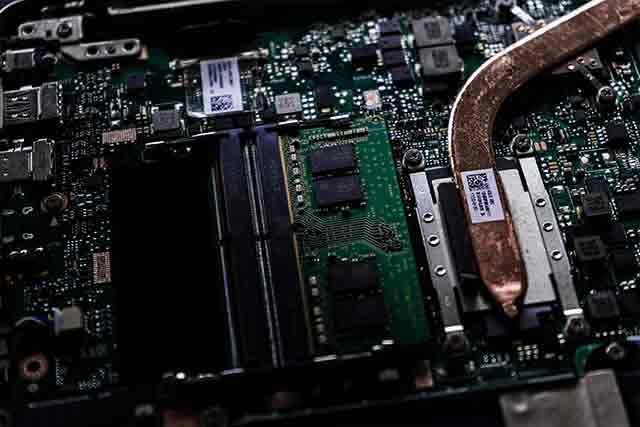
Precision in design and manufacturing is a hallmark of high-quality technological equipment. Every component, from intricate circuitry to external aesthetics, reflects a meticulous attention to detail. Precision ensures that devices not only function seamlessly but also exude craftsmanship and sophistication.
3. Seamless User Experience:
User experience is at the forefront of defining high quality. Devices that offer an intuitive and seamless user interface, coupled with responsive and efficient performance, contribute to an elevated user experience. High-quality equipment anticipates user needs, simplifies interactions, and adds value to every touchpoint.
4. Integration of Cutting-Edge Technologies:
High-quality technological equipment is at the forefront of innovation. It seamlessly integrates cutting-edge technologies, ensuring that users have access to the latest features and functionalities. From advanced processors to innovative sensors, each element contributes to the device's ability to push the boundaries of what is technologically achievable.
Case Study: The Odyssey of XYZ Smartphone
In the case study of XYZ Smartphone, the company's commitment to high quality is exemplified. Through rigorous testing processes, precision engineering, and a dedication to user-centric design, XYZ Smartphone consistently delivers devices that set industry benchmarks. The seamless integration of state-of-the-art technologies ensures that users not only embrace the functionality of the smartphones but also revel in an unparalleled user experience.
The shift towards high-quality technology equipment is a reflection of the evolving expectations of consumers, the rapid pace of technological advancements, the quest for a competitive edge, and the profound impact on brand reputation. As companies navigate this landscape, defining high quality involves ensuring reliability, precision, a seamless user experience, and the integration of cutting-edge technologies. The case study of XYZ Smartphone serves as a testament to how a relentless pursuit of excellence in these aspects can elevate a brand and shape the future of technology. In a world where quality is no longer a luxury but an expectation, high-quality technology equipment emerges as the true standard-bearer of progress.
The journey towards developing high-quality technology equipment is rife with challenges that manufacturers and innovators must navigate. In this analysis, we delve into the difficulties faced by technology equipment on the path to achieving excellence, shedding light on the intricacies of overcoming hurdles in the pursuit of high quality.
1. Evolving Technological Standards:
Challenge: Rapid Technological Advancements
One of the primary challenges is keeping pace with the rapid evolution of technology itself. As new breakthroughs emerge, manufacturers face the constant pressure to incorporate these advancements into their products. This requires continuous research, development, and adaptation to ensure that technology equipment remains at the forefront of innovation.
Solution: Agile Development Processes
To tackle this challenge, embracing agile development processes is essential. Agile methodologies enable quick iterations, allowing manufacturers to swiftly integrate emerging technologies. Regular updates and product releases keep technology equipment aligned with the latest standards, mitigating the risk of obsolescence.
2. Balancing Innovation with Reliability:
Challenge: Ensuring Reliability Amidst Complexity
As technology becomes more sophisticated, striking a balance between innovation and reliability poses a significant challenge. The inclusion of advanced features and components may introduce complexities that, if not managed effectively, can compromise the overall reliability of the equipment.
Solution: Rigorous Testing and Quality Assurance
A comprehensive approach to testing and quality assurance is crucial. Rigorous testing protocols, including stress testing, performance testing, and reliability assessments, help identify potential issues. Continuous monitoring and feedback loops enable manufacturers to refine and optimize their products, ensuring that innovation does not come at the expense of reliability.
3. Customer Expectations and Satisfaction:
Challenge: Meeting Elevated Customer Expectations
As consumers become more discerning, meeting heightened expectations becomes a significant challenge. Customers now expect not only advanced features but also a seamless and superior user experience. Failing to meet these expectations can lead to dissatisfaction and a tarnished brand image.
Solution: Customer-Centric Design and Feedback Integration
Adopting a customer-centric approach in design is essential. Manufacturers must actively seek and integrate customer feedback into the development process. This ensures that the end product aligns with user expectations and preferences. Regular communication channels and feedback mechanisms create a symbiotic relationship between manufacturers and consumers.
4. Market Competition and Innovation:
Challenge: Staying Competitive in a Saturated Market
The technology landscape is saturated with numerous players vying for market share. Standing out amidst fierce competition requires not only delivering high-quality products but also differentiating from competitors who may be on a similar trajectory.
Solution: Strategic Positioning and Branding
Strategic positioning and branding play a pivotal role. Manufacturers need to communicate their unique value propositions clearly. Whether it's through innovative features, superior customer support, or a focus on sustainability, a distinct identity helps technology equipment carve a niche in the market, enhancing competitiveness.
The challenges faced by technology equipment on the road to high-quality development are multifaceted, ranging from technological complexities to heightened customer expectations and market competition. However, with a strategic approach, embracing agile methodologies, prioritizing reliability, incorporating customer feedback, and establishing a unique market identity, manufacturers can overcome these challenges. The pursuit of high quality is not just a destination but a continual journey, where resilience, adaptability, and a commitment to excellence pave the way for success.